Liraglutide: The First-Generation GLP-1
The original GLP-1 receptor agonist — daily dosing, the SCALE trials, and where it fits today.

Read this first
Educational, not medical advice. Liraglutide is a prescription medicine. Compounded liraglutide is prepared by licensed 503A and 503B compounding pharmacies.
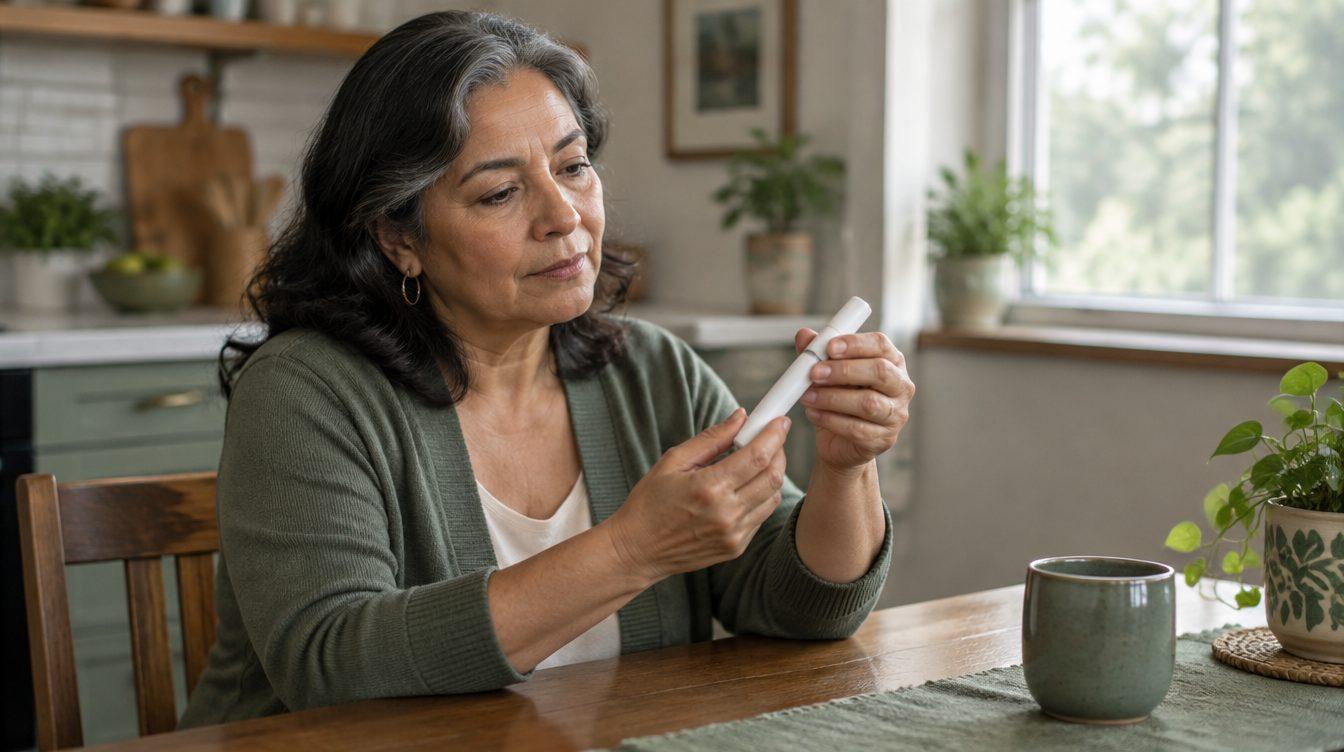
Liraglutide was the first-generation GLP-1 — the molecule behind Victoza® (type 2 diabetes) and Saxenda® (weight management). It's an once-daily injection, which is the main difference from the once-weekly semaglutide and tirzepatide.
How does liraglutide work?
Like the others, liraglutide mimics GLP-1 to reduce appetite and improve blood-sugar control. Because it's broken down faster, it's dosed daily rather than weekly.
What did the SCALE trial show for liraglutide?
- Modest weight loss in the SCALE trials (Saxenda®) — less than the newer agents.
- A1c reduction in type 2 diabetes (Victoza®).
- Cardiovascular benefit shown in the LEADER trial (diabetes formulation).
- Similar GI side-effect profile; daily dosing is the main practical difference.
Is liraglutide still worth using?
Liraglutide is still used, but it's generally a step down in efficacy from the newer agents. It may make sense for people who can't access or tolerate the newer options, or who prefer daily dosing.
Common questions about liraglutide
- How is liraglutide different from semaglutide and tirzepatide?
- Liraglutide was the first-generation GLP-1 and is a once-daily injection, versus the once-weekly newer agents. It mimics GLP-1 to reduce appetite and improve blood sugar but is broken down faster, so it is dosed daily.
- How much weight do you lose on liraglutide?
- Modest weight loss in the SCALE trials (Saxenda), generally less than the newer agents. It also reduces A1c in type 2 diabetes (Victoza) and showed cardiovascular benefit in the LEADER trial.
- Is liraglutide still worth using?
- It is still used but is generally a step down in efficacy from semaglutide and tirzepatide. It may make sense for people who cannot access or tolerate the newer options, or who prefer daily dosing.
Bottom line
Liraglutide is an established, effective GLP-1 — just older and generally less potent than semaglutide and tirzepatide. It's a prescription medicine; compounded versions are prepared by licensed 503A and 503B compounding pharmacies. This is information, not a prescription.
Want this handled for you?
LunaRx — clinician-led GLP-1 care with a plan to come off
LunaRx connects you with a licensed clinician for an online evaluation. Depending on your state that is a live or a store-and-forward visit. If the clinician determines a GLP-1 is appropriate for you, a licensed pharmacy dispenses it — with a plan to come off when you’re ready. The prescribing decision is the clinician’s alone, and approval is not guaranteed.
Sources
Primary sources for the claims in this article. Trial results are reported as published; prescribing information is the authoritative reference for dosing and safety.
- 1.SCALE: A Randomized, Controlled Trial of 3.0 mg of Liraglutide in Weight Management
Pi-Sunyer X, et al. · New England Journal of Medicine · 2015
56-week trial in 3,731 adults without type 2 diabetes establishing liraglutide 3.0 mg for weight management.
- 2.LEADER: Liraglutide and Cardiovascular Outcomes in Type 2 Diabetes
Marso SP, et al. · New England Journal of Medicine · 2016
Cardiovascular outcome data for liraglutide in type 2 diabetes.
Get the weekly research update
New trials, FDA moves, and pricing shifts — one plain-English email a week. No spam.
Unsubscribe anytime. Read our privacy policy.
Related in Medications

Medications
Foundayo (Orforglipron): The First GLP-1 Pill With No Food or Water Rules
9 min read · Updated Oct 11, 2026
Medications
Semaglutide: Dosing, Side Effects, and Real-World Data
10 min read · Updated Oct 28, 2026

Medications
Tirzepatide: The Dual Receptor Agonist Explained
10 min read · Updated Oct 10, 2026