Foundayo (Orforglipron): The First GLP-1 Pill With No Food or Water Rules
Lilly's oral GLP-1 was approved April 2026 and starts at $149 a month. What ATTAIN-1 actually showed, the drug interactions peptide GLP-1s don't have, and the unusual boxed warning.

Read this first
Educational, not medical advice. Dosing and suitability are decisions for you and a licensed clinician. Compounded GLP-1s are prepared by licensed 503A and 503B compounding pharmacies and are not the same as the branded product described here.
The FDA approved Foundayo (orforglipron) on April 1, 2026, and it reached US pharmacies eight days later. It is the second GLP-1 available as a pill — but it is the first one that is not a peptide, and that single chemical fact explains almost everything that makes it different.
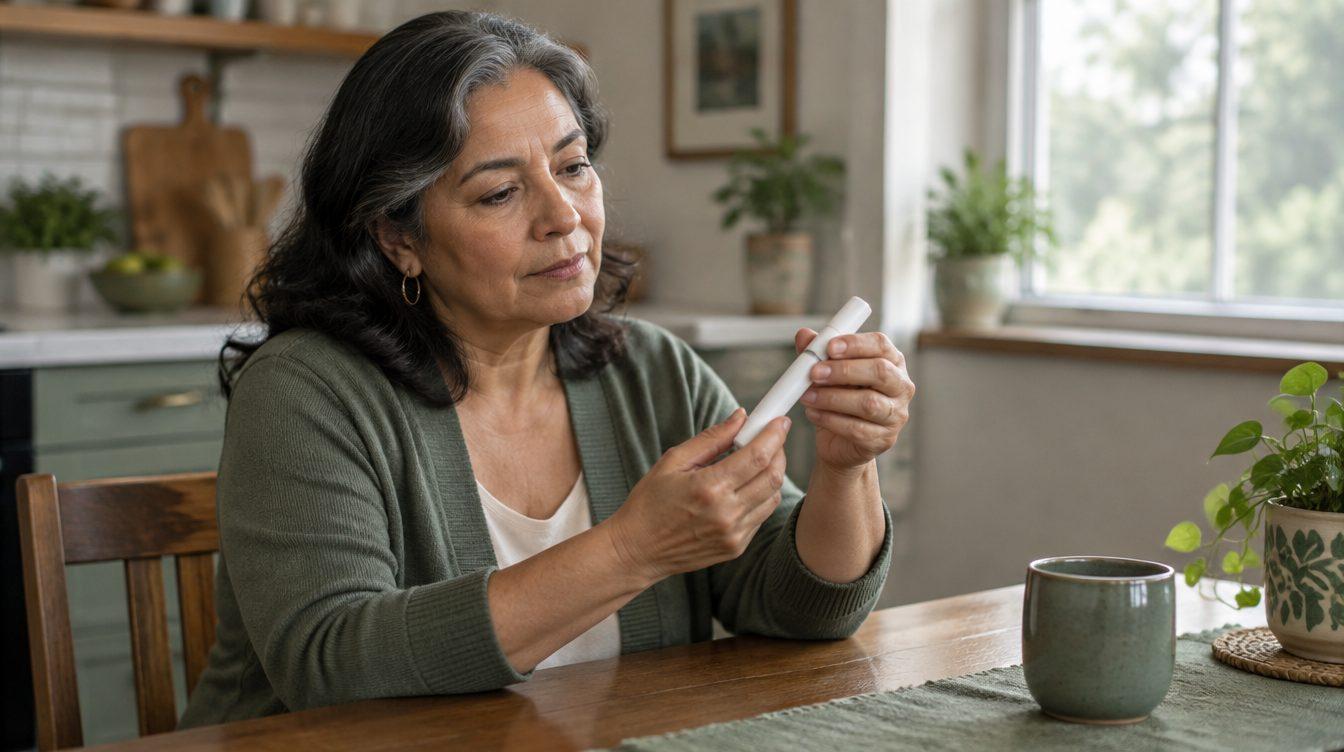
Semaglutide is a large peptide. Peptides are destroyed by digestion, which is why the Wegovy tablet has to be swallowed on an empty stomach with no more than four ounces of water, followed by a 30-minute fast. Orforglipron is a small molecule. It survives the gut on its own, so it comes with no food rules, no water limit, and no timing window.
How it compares to the other oral option
| Foundayo | Wegovy tablet | Wegovy injection | |
|---|---|---|---|
| Type | Small molecule | Peptide | Peptide |
| Schedule | Once daily | Once daily | Once weekly |
| Food/water rules | None — with or without food | Empty stomach, ≤4 oz water, wait 30 min | None |
| Time to top dose | ~5 months minimum | 91 days | 17 weeks |
| Weight loss (highest dose) | −12.4% at 72 wks | −16.6% (adherent) | −14.9% at 68 wks |
| Cardiovascular indication | No | Yes | Yes |
| Drug-interaction limits | Yes — CYP3A4 | Minimal | Minimal |
| Self-pay from | $149/mo (lowest dose) | ~$1,349/mo list | Varies by programme |
How much weight did people lose?
ATTAIN-1 enrolled 3,127 adults with obesity and without diabetes and ran 72 weeks. At the highest dose, mean weight change was −12.4% against −0.9% on placebo. Among those on the highest dose, 55% lost at least 10% of their body weight, 36% lost at least 15%, and 19% lost at least 20% — versus 13%, 6% and 3% on placebo.
One honest caveat that most coverage drops. That 12.4% is the efficacy estimand, which models what happens if people stay on treatment as directed. The treatment-regimen estimand, which counts everyone including those who stopped, came in at −11.2% versus −2.1% for placebo. Both are legitimate; they answer different questions. Compare like with like when you see numbers for other drugs.
Put beside the other options, orforglipron is the least potent of the three. The Wegovy tablet reported 16.6% among adherent participants and the injection 14.9% in STEP 1. These come from separate trials and are not head-to-head, but the ordering is consistent enough to be worth knowing. You are trading some efficacy for convenience and, at the lower doses, for price.
ATTAIN-2 tested it in 1,613 adults who had obesity and type 2 diabetes: 10.5% weight reduction at the highest dose versus 2.2% on placebo, with A1C down 1.8%.
The titration is slower than people expect
Foundayo starts at 0.8 mg once daily and moves up no sooner than every 30 days: 0.8, then 2.5, then 5.5 mg. From there your prescriber may go to 9, 14.5 or 17.2 mg depending on response and tolerability. The maximum is 17.2 mg once daily.
That means roughly five months before anyone reaches the top dose — longer than the Wegovy tablet's 91 days. Patience is built into the label, and the reason is the same as with every drug in this class: going up faster buys you more nausea.
Taking it is genuinely simple. Once a day, with or without food, swallowed whole, never more than one tablet. If you miss a dose, take it as soon as you can and do not double up. If you miss seven or more consecutive doses, the label says to restart escalation at a lower dose rather than resuming where you left off.
Worth knowing
The phase 3 trials reported doses of 6, 12 and 36 mg, but the marketed tablet comes in different strengths topping out at 17.2 mg. Trial dose numbers do not map onto what is on your prescription label — if you are comparing headlines to your own bottle, ask your prescriber which step you are actually on.
The drug interactions that peptide GLP-1s don't have
This is the most consequential thing on the label and it is almost absent from consumer coverage. Because orforglipron is a small molecule, it is processed by the liver enzyme CYP3A4 — the same pathway that handles a long list of common drugs. Semaglutide and tirzepatide, being peptides, largely bypass this.
- Strong CYP3A4 inhibitors cap your Foundayo dose at 9 mg once daily — you cannot go to the top dose while taking one.
- Strong CYP3A4 inhibitors that also inhibit OATP1B should be avoided altogether. The label names ritonavir as the example.
- Strong CYP3A4 inducers should be avoided; with moderate inducers, effectiveness should be monitored and the dose adjusted as needed.
- Severe hepatic impairment (Child-Pugh C): not recommended. Mild and moderate need no adjustment, and neither does kidney impairment.
Common drugs in those categories include certain antifungals, some antibiotics, several HIV medications, and a few seizure medicines — plus St John's wort, which is a strong inducer and is sold without a prescription. Bring your full medication and supplement list to the appointment, not just the prescriptions.

What it is approved for — and what it is not
Foundayo is approved for weight reduction in adults with obesity, or with overweight plus at least one weight-related condition, alongside reduced calories and more activity.
That is the whole list. Unlike both forms of Wegovy, Foundayo is not approved to reduce cardiovascular risk. If you are taking a GLP-1 partly for your heart, that distinction matters, and it is the clearest reason someone might choose semaglutide over this despite the easier routine. The label also says it is not recommended alongside another GLP-1 receptor agonist.
The boxed warning says something unusual
Foundayo carries the same boxed warning as the rest of the class for thyroid C-cell tumours, and the same contraindication for anyone with a personal or family history of medullary thyroid carcinoma or MEN 2. Read the actual wording, though, because it is not the same warning.
For semaglutide, the label states that the drug caused thyroid C-cell tumours in rodents. For orforglipron, the label states that the drug is not pharmacologically active in rats or mice and did not produce tumours in rodents — while noting the human relevance is undetermined.
That is a real difference in the underlying evidence rather than a wording change. It is not a clean bill of health: because the drug does not act on the receptor in those species, the standard rodent study could not have detected the effect in the first place, which is precisely why the warning stays. But if you have read that GLP-1s cause thyroid tumours in animals, this one did not, and that is worth knowing accurately.
Side effects
Gastrointestinal, as with the whole class, and mostly during dose escalation.
| Reaction | Foundayo 17.2 mg | Placebo |
|---|---|---|
| Nausea | 35% | 10% |
| Diarrhea | 25% | 11% |
| Constipation | 24% | 9% |
| Vomiting | 24% | 4% |
| Abdominal pain | 14% | 7% |
| Dyspepsia | 13% | 4% |
| Fatigue | 9% | 4% |
| Hair loss | 5% | 2% |
Hair loss appears on this label at 5% against 2% on placebo — in the same range reported for semaglutide, and for the same underlying reason. We cover why in GLP-1s and hair loss.
In ATTAIN-1, discontinuation due to adverse events ran from 5.1% at the lowest dose to 10.3% at the highest, against 2.6% on placebo. The trial reported no hepatic safety signal, which had been a live question for this drug class in development.
What it costs
Lilly launched it at $149 a month self-pay for the lowest dose through LillyDirect, with higher doses priced above that. Eligible commercially insured patients may pay as little as $25 a month with the savings card, and eligible Medicare Part D beneficiaries about $50 a month from July 1, 2026.
That entry price is the genuinely disruptive part. A branded, FDA-approved oral GLP-1 starting at $149 lands in territory that until recently belonged to compounded telehealth. Prices move, so confirm the current figure before deciding — our GLP-1 Cost Index tracks what each route costs at maintenance, which is the number that matters once you are past the starting dose.
Who is it actually for?
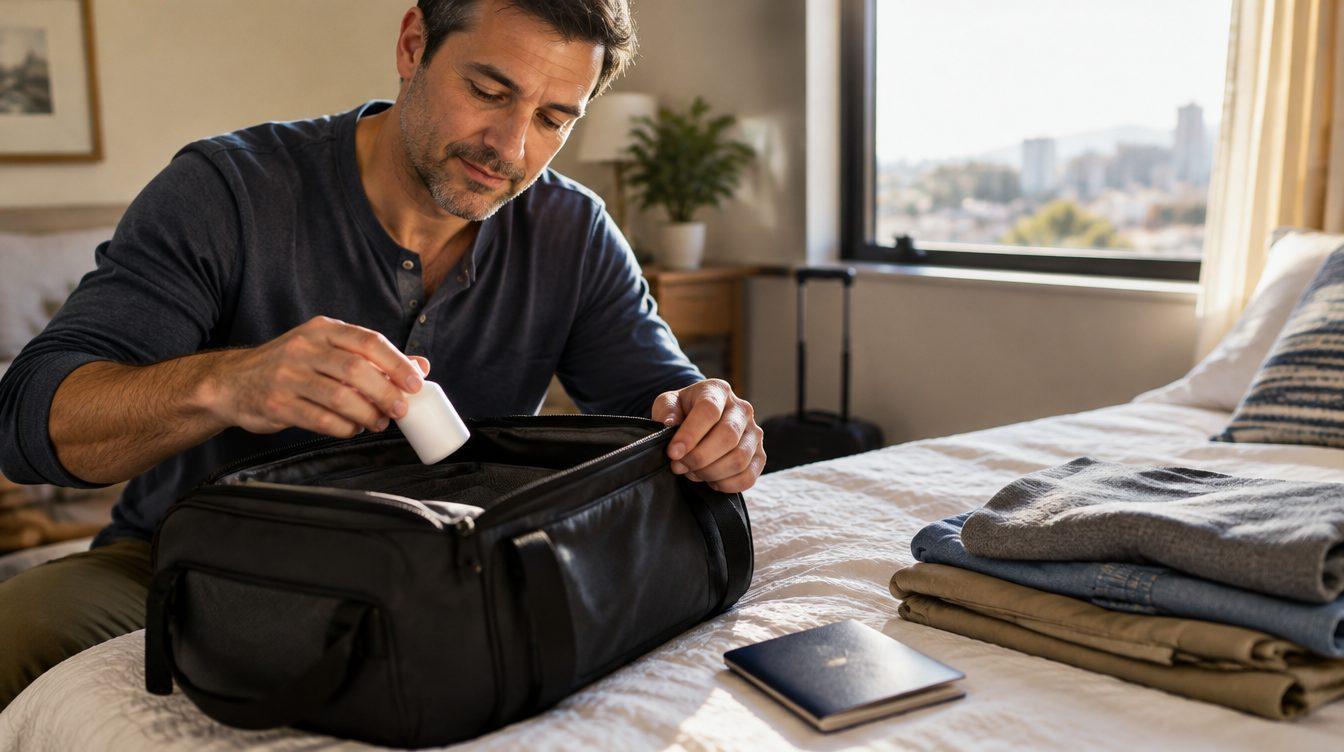
- A good fit if needles are a real barrier, if the Wegovy tablet's empty-stomach window does not survive contact with your mornings, if you travel often, or if the low-dose self-pay price is what makes treatment possible at all.
- Think harder if you want cardiovascular risk reduction on the label, if you are chasing maximum weight loss, if you take medicines that run through CYP3A4, or if you have severe liver impairment.
Common questions about Foundayo
- What is Foundayo?
- Foundayo is the brand name for orforglipron, an oral small-molecule GLP-1 receptor agonist from Eli Lilly. The FDA approved it on April 1, 2026 for weight reduction in adults with obesity, or overweight with at least one weight-related condition. It became available in the US on April 9, 2026.
- How is it different from the Wegovy pill?
- Chemistry, and everything that follows from it. The Wegovy tablet is a peptide and must be taken on an empty stomach with no more than 4 ounces of water followed by a 30-minute wait. Foundayo is a small molecule, so it is taken with or without food and has no water or timing rules. The trade-offs: Foundayo showed less weight loss, has no cardiovascular indication, and carries CYP3A4 drug-interaction limits the peptides do not.
- How much weight do people lose on Foundayo?
- In ATTAIN-1, the highest dose produced a mean 12.4% weight reduction over 72 weeks on the efficacy estimand, against 0.9% on placebo. 55% of people on the highest dose lost at least 10% of their body weight, 36% lost at least 15%, and 19% lost at least 20%.
- How long does it take to reach the full dose?
- At least five months. You start at 0.8 mg once daily and step up no sooner than every 30 days through 2.5 mg and 5.5 mg, then to 9, 14.5 or 17.2 mg depending on how you respond and tolerate it.
- What drugs interact with Foundayo?
- Because it is a small molecule processed by CYP3A4, strong CYP3A4 inhibitors cap the dose at 9 mg daily, and ones that also inhibit OATP1B (ritonavir, for example) should be avoided entirely. Strong CYP3A4 inducers should be avoided, including over-the-counter St John's wort. Bring your full medication and supplement list to your appointment.
- Does Foundayo reduce cardiovascular risk?
- No. It is approved for weight reduction only. Both the Wegovy tablet and the Wegovy injection carry an indication for reducing major adverse cardiovascular events; Foundayo does not.
- Does Foundayo cause thyroid tumours?
- It carries the class boxed warning and is contraindicated for anyone with a personal or family history of medullary thyroid carcinoma or MEN 2. But the wording differs from semaglutide's: the label states orforglipron is not pharmacologically active in rats or mice and did not produce tumours in rodents, with human relevance undetermined. The warning remains because the standard rodent study could not have detected the effect in those species.
- How much does Foundayo cost?
- Self-pay starts at $149 a month for the lowest dose through LillyDirect, rising with dose. Eligible commercially insured patients may pay as little as $25 a month with the savings card, and eligible Medicare Part D beneficiaries about $50 a month from July 1, 2026. Confirm current pricing before deciding.
Bottom line
Foundayo trades some efficacy for a lot of convenience. Roughly 12% weight loss at the top dose against about 15–17% for semaglutide, but no food rules, no water limit, no timing window, no needles, and a $149 starting price. The two things to raise with a clinician before switching: it has no cardiovascular indication, and unlike the peptide GLP-1s it runs through CYP3A4, so your other medications genuinely matter here.
Want this handled for you?
LunaRx — clinician-led GLP-1 care with a plan to come off
LunaRx connects you with a licensed clinician for an online evaluation. Depending on your state that is a live or a store-and-forward visit. If the clinician determines a GLP-1 is appropriate for you, a licensed pharmacy dispenses it — with a plan to come off when you’re ready. The prescribing decision is the clinician’s alone, and approval is not guaranteed.
Sources
Primary sources for the claims in this article. Trial results are reported as published; prescribing information is the authoritative reference for dosing and safety.
- 1.FOUNDAYO label: FOUNDAYO (orforglipron) tablets — full prescribing information
DailyMed, U.S. National Library of Medicine · 2026
Indicated for weight reduction in adults with obesity, or overweight with at least one weight-related comorbidity — no cardiovascular indication. Tablets of 0.8, 2.5, 5.5, 9, 14.5 and 17.2 mg; start 0.8 mg once daily and step up no sooner than every 30 days, maximum 17.2 mg. Taken with or without food, swallowed whole. Boxed warning for thyroid C-cell tumors notes orforglipron is not pharmacologically active in rats or mice and did not produce tumors in rodents; human relevance undetermined. Strong CYP3A4 inhibitors cap the dose at 9 mg; strong inducers should be avoided; not recommended in severe hepatic impairment (Child-Pugh C). Adverse reactions at 17.2 mg vs placebo include nausea 35% vs 10%, diarrhea 25% vs 11%, constipation 24% vs 9%, vomiting 24% vs 4% and hair loss 5% vs 2%.
- 2.ATTAIN-1: Orforglipron, an oral small-molecule GLP-1 receptor agonist, for the treatment of obesity (ATTAIN-1)
New England Journal of Medicine, reported by Eli Lilly and the American College of Cardiology · 2025
3,127 adults with obesity and without diabetes, 72 weeks. Highest dose produced −12.4% weight change on the efficacy estimand (vs −0.9% placebo) and −11.2% on the treatment-regimen estimand (vs −2.1%). 55% lost ≥10%, 36% ≥15% and 19% ≥20%, versus 13%, 6% and 3% on placebo. Discontinuation for adverse events ranged 5.1–10.3% by dose versus 2.6% on placebo. No hepatic safety signal.
- 3.ATTAIN-2: Orforglipron, an oral small-molecule GLP-1 receptor agonist, for the treatment of obesity in people with type 2 diabetes (ATTAIN-2): a phase 3, double-blind, randomised, multicentre, placebo-controlled trial
The Lancet · 2025
1,613 adults with obesity and type 2 diabetes, 72 weeks. Highest dose reduced body weight by 10.5% versus 2.2% on placebo on the efficacy estimand, with a mean A1C reduction of 1.8%.
- 4.Foundayo (orforglipron), Lilly's new oral GLP-1 pill for weight loss, now available in the U.S.
Eli Lilly and Company · 2026
FDA approval April 1, 2026; US availability April 9, 2026 through LillyDirect, telehealth providers and retail pharmacy. Self-pay starts at $149 per month at the lowest dose. Eligible commercially insured patients may pay as little as $25 per month with the savings card, and eligible Medicare Part D beneficiaries about $50 per month from July 1, 2026.
- 5.WEGOVY label (tablets + injection): WEGOVY (semaglutide) injection and WEGOVY (semaglutide) tablets — full prescribing information
U.S. Food and Drug Administration · 2025
Revised 12/2025. Tablets: start 1.5 mg once daily for 30 days, escalate every 30 days (4 mg, then 9 mg), maintenance 25 mg daily from day 91. Take on an empty stomach in the morning with no more than 4 ounces of water, swallow whole, then wait at least 30 minutes before food, other drinks or other oral medications. Injection: 0.25 mg weekly escalating every 4 weeks to a 2.4 mg (or 1.7 mg) maintenance dose, any time of day, with or without meals. Tablets are indicated for cardiovascular risk reduction and weight reduction in adults only; the injection adds adolescents aged 12 and older and noncirrhotic MASH. Boxed warning for thyroid C-cell tumors applies to both.
Get the weekly research update
New trials, FDA moves, and pricing shifts — one plain-English email a week. No spam.
Unsubscribe anytime. Read our privacy policy.